Florianópolis Travel Tips for Foreigners: A Practical Guide
Florianópolis is one of the most popular Brazilian destinations for Argentines, Uruguayans and Chileans, and it’s easy to visit: if you’re from a Mercosur country you can enter with your national ID card, cards are accepted almost everywhere, Uber works well and many people understand Spanish. What confuses new arrivals most is Pix, getting a local SIM card, the 220V outlets and the rules for arriving by car.
This guide covers the essentials. Entry rules and document requirements change: always check official sources before you travel.
Documents for entering Brazil
Mercosur and associated countries. Citizens of Argentina, Uruguay, Paraguay and Chile, among other countries in the region, can enter Brazil as tourists with a valid national ID card or a passport.
- Argentines: bring your valid physical DNI, ideally the most recent copy. Brazil’s Federal Police do not accept the digital DNI as a travel document.
- Minors: in addition to the minor’s own document, a birth certificate is usually required and, if traveling with only one parent or without either, travel authorization from the absent parent or guardian.
- Immigration may ask for a return ticket, proof of accommodation and proof of funds for your stay.
Other nationalities. Visa rules vary. Citizens of the United States, Canada and Australia, for example, have needed an e-visa since April 2025. Check the current requirements on the website of the Federal Police (Polícia Federal), Itamaraty (Brazil’s foreign ministry) or the Brazilian consulate in your country.
Money: cards, Pix and cash
The currency is the Brazilian real (R$). In practice, almost everything in Florianópolis can be paid by card or Pix.
| Payment method | How it works for foreign visitors |
|---|---|
| International credit card | Accepted at the vast majority of restaurants, supermarkets and shops, including contactless. Check your bank’s foreign transaction fees. |
| Pix | Brazil’s most widely used payment method, via QR code or Pix key. Some foreign apps now let you pay with Pix; Mercado Pago customers in Argentina pay from their peso balance, with automatic conversion. |
| Cash (reais) | Handy for beach vendors, street fairs and informal parking. Carry only a little. Exchange money at exchange offices (casas de câmbio), never with strangers on the street. |
| ATM withdrawals | Some ATMs work with foreign cards; look for the ones displaying international card networks and prefer those inside malls and supermarkets. |
When paying by card, if the machine asks whether you want to pay in your own currency or in reais, choose reais: the conversion done by the machine is usually worse.
SIM cards and mobile internet
- Travel eSIM: the simplest option. Buy it before leaving home and activate it when you arrive.
- Brazilian SIM card: the carriers Claro, TIM and Vivo sell prepaid plans and some products specifically for tourists. Foreigners register with a passport, and activation sometimes has to be done at one of the carrier’s stores. Ask for the tourist plan (“plano para turista”).
- Wi-Fi: common in restaurants, cafés and accommodation.
- WhatsApp is the main way people communicate in Brazil: restaurants, tour operators and hosts all reply there.
Getting around
- Ride-hailing apps: Uber and 99 operate across the whole island, including at the airport, and are the easiest way to get around without a car. See the full route in our guide from the airport to Trindade.
- Buses: the city bus system runs through transfer terminals in each area (Centro, Trindade, Lagoa, Canasvieiras, Rio Tavares and others). Good for long trips, but slower in summer.
- Rental car: worth it if you want to see the south and north of the island on the same day. Summer traffic is heavy; head out early.
- Airport: Hercílio Luz International Airport (Floripa Airport) has flights to Buenos Aires, Santiago and other cities in the region in high season. Check current routes on the airport website.
Driving from Argentina, Uruguay or Chile
Many tourists drive to Florianópolis on the BR-101, the highway that runs along the Santa Catarina coast. Bring:
- Your home country’s driver’s license (licenses from Mercosur countries are valid for tourists in Brazil).
- The vehicle registration document (for Argentines, the cédula verde) and, if the car isn’t in your name, authorization from the owner.
- Carta Verde, the mandatory third-party liability insurance for foreign vehicles in Mercosur. Buy it in your home country before the trip.
Traffic rules that catch visitors off guard:
- Lei Seca: zero tolerance for drinking and driving, with frequent checkpoints.
- Speed cameras are common on highways and on the island’s avenues.
- In high season, the bridges onto the island and the highways to the beaches get congested in the late afternoon.
Language: Portuguese, with a bit of “portunhol”
The language is Portuguese. In tourist areas many people understand Spanish, but if you speak Spanish, watch out for false friends: words that look alike but mean something else.
| In Portuguese | Means | Don’t confuse with Spanish |
|---|---|---|
| Esquisito | strange | exquisito (delicious, which is delicioso in Portuguese) |
| Propina | bribe | propina (tip, which is gorjeta in Portuguese) |
| Polvo | octopus (Spanish pulpo) | polvo (dust, which is pó in Portuguese) |
| Oficina | auto repair shop | oficina (office, which is escritório in Portuguese) |
| Cola | glue | cola (line/queue, which is fila in Portuguese) |
Useful phrases: “Obrigado/obrigada” (thank you), “A conta, por favor” (the check, please), “Quanto custa?” (how much is it?), “Aceita cartão?” (do you take cards?), “Tem Pix?” (can I pay with Pix?).
Tipping, hours and customs
- Tipping: at restaurants, the bill usually includes a 10% service charge, which is optional. Tipping ride-hailing drivers isn’t customary.
- Meal times: Brazilians have lunch between noon and 2 pm and dinner from 7–8 pm, earlier than in Argentina. In tourist neighborhoods, kitchens stay open late in summer.
- Pay-by-weight restaurants (por quilo): very common at lunch: you serve yourself from the buffet and pay by the weight of your plate. It’s one of the cheapest ways to eat well.
- Time zone: Florianópolis is on Brasília time (UTC−3), with no daylight saving time. That’s the same time as Argentina and Uruguay; mainland Chile is one hour behind for part of the year.
Outlets and voltage
Florianópolis uses 220 volts and 60 Hz. Outlets follow the Brazilian standard (Type N), with two or three round pins, which also takes Type C plugs (the slim European kind).
- Argentines: flat-pin (Type I) plugs need an adapter. The voltage is the same as at home.
- Uruguayans and Chileans: slim round-pin plugs usually fit; others need an adapter.
- Phone and laptop chargers usually accept 100 to 240 V, but check the label on hair dryers and flat irons.
Health, water and safety
- The SUS, Brazil’s public health system, provides emergency care to everyone, including foreigners. Even so, get travel insurance.
- Pharmacies are easy to find in every neighborhood.
- Most locals prefer filtered or bottled water for drinking.
- Emergency numbers: 190 (police), 192 (ambulance), 193 (fire department and lifeguards). Read our full guide to safety in Florianópolis, especially the section on the ocean.
When to go
January and February are the busiest and most expensive months, with lots of Argentine tourists. March, April, November and December usually have a still-pleasant sea and fewer people. See the month-by-month breakdown in our guide to the best time to visit Florianópolis.
Trindade: a practical base for visitors from abroad
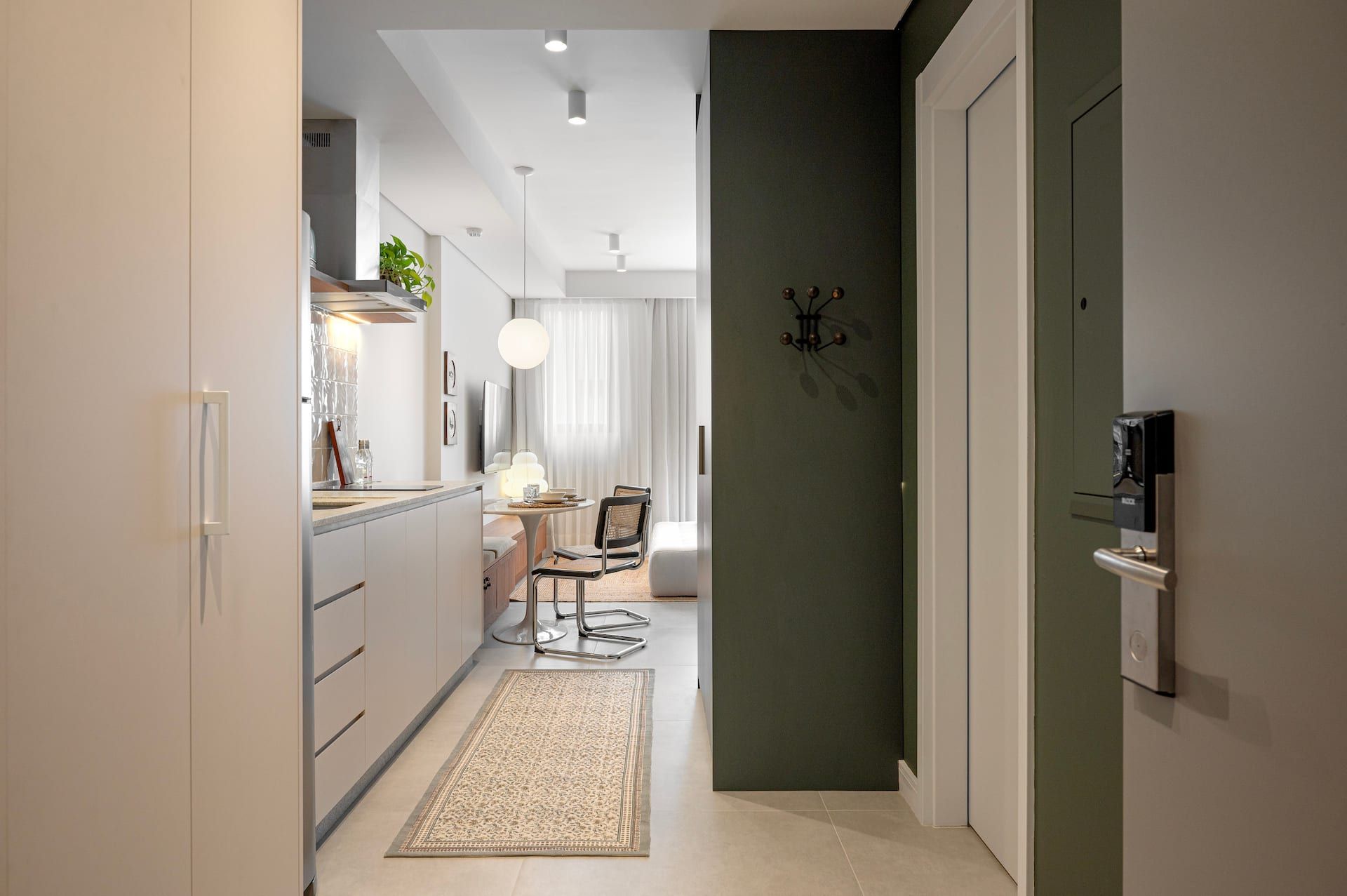
If you don’t know the city, staying in a central neighborhood makes everything easier. Floripa Studio Trindade is in Trindade, next to UFSC (Federal University of Santa Catarina) and across from the University Hospital, about 20 minutes from the airport and 15 minutes from downtown and Lagoa da Conceição, without traffic. It has self check-in (no need to arrange an arrival time), 800 Mbps Wi-Fi, a full kitchen and a supermarket and pharmacy in the building, which helps a lot in the first few days, while you’re still getting used to Pix, your SIM card and local hours.
Frequently asked questions
Do Argentines need a passport to travel to Florianópolis?
No. Argentines can enter Brazil as tourists with a valid physical DNI (the most recent copy) or a passport. The digital DNI is not accepted at the border. Minors have extra document requirements; check with the Brazilian consulate before traveling.
What is the voltage in Florianópolis?
Florianópolis uses 220 volts and 60 Hz. Outlets follow the Brazilian standard, with two or three round pins; Argentine flat-pin plugs need an adapter.
Can foreign tourists use Pix?
Yes, through some foreign apps that offer the feature, such as Mercado Pago for Argentine customers, which converts pesos to reais on the spot. Otherwise, an international credit card and a little cash cover almost everything.
Is Spanish spoken in Florianópolis?
The language is Portuguese, but Florianópolis gets lots of Argentine and Uruguayan tourists, and in restaurants, hotels and shops in tourist areas people commonly understand Spanish. Speaking slowly and patiently helps a lot.
Do I need insurance to drive into Brazil from Argentina?
Yes. Foreign vehicles need Mercosur third-party liability insurance (Carta Verde), plus a driver's license, the vehicle registration document and, if the car isn't yours, authorization from the owner. Buy it in your home country before you leave.
More guides
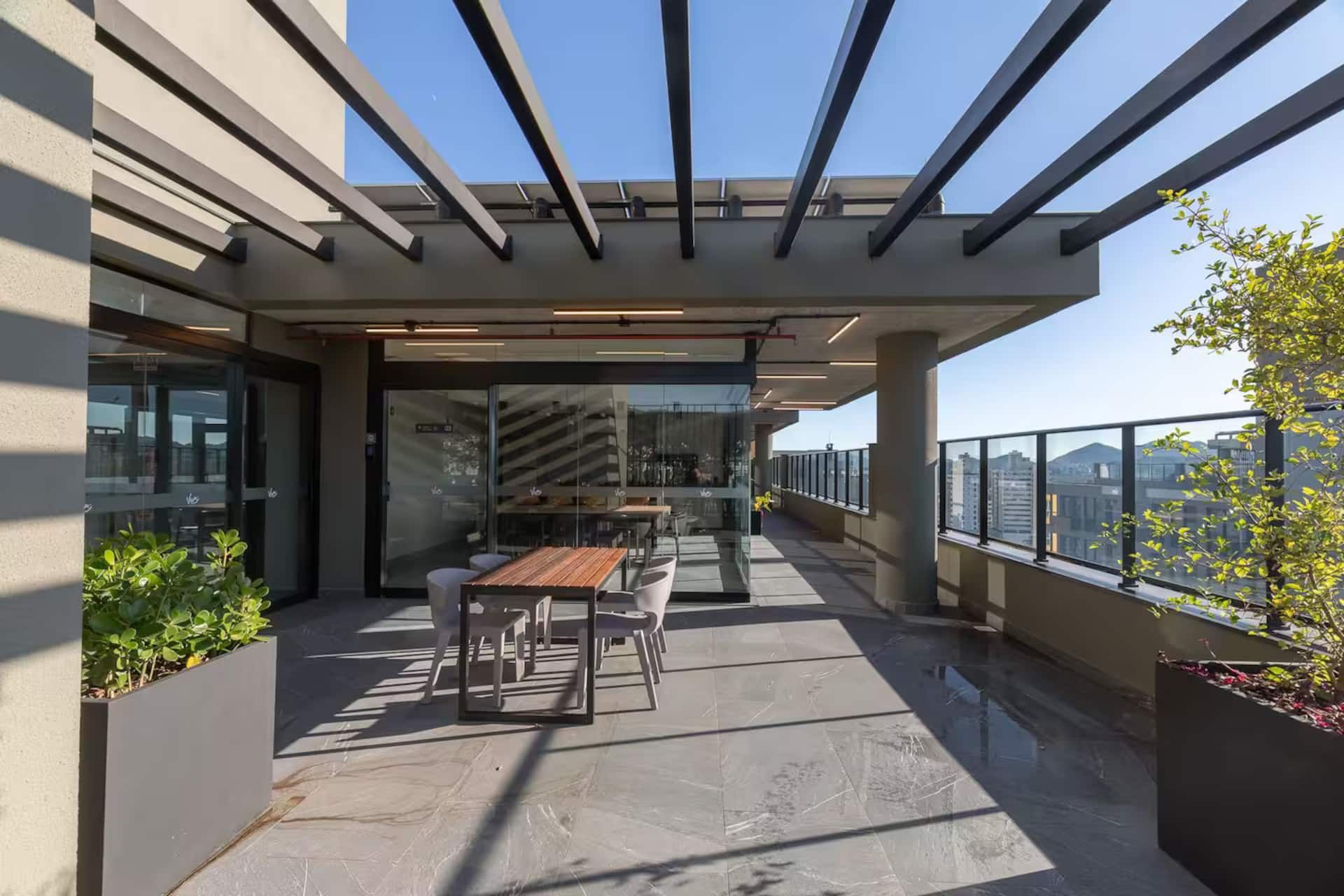
New Year's Eve and Carnival in Florianópolis: Where to Go
New Year's Eve and Carnival in Florianópolis: where the parties are, fireworks on Beira-Mar and the Hercílio Luz bridge, street parties, parades and traffic.
Read guide →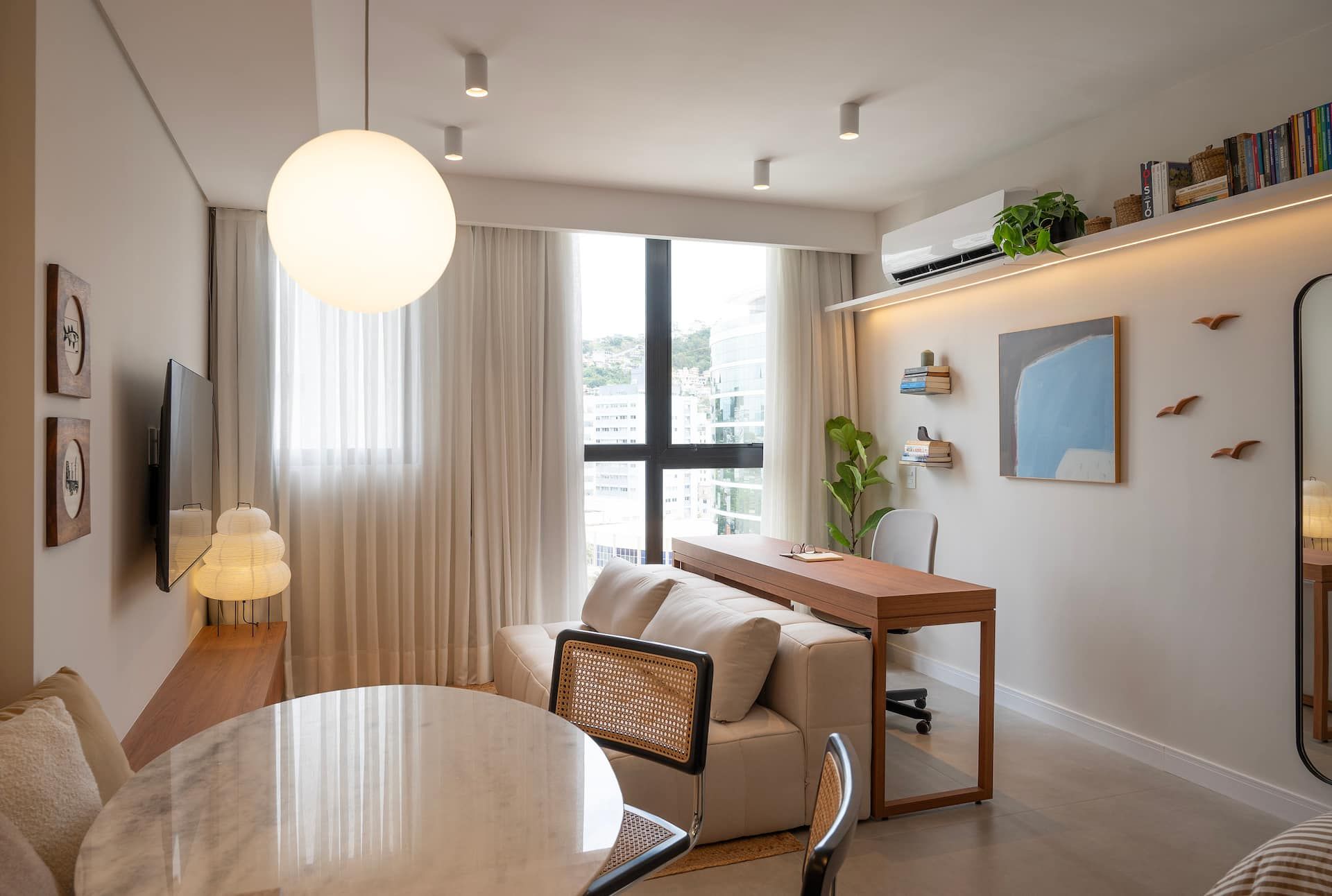
Things to Do in Florianópolis When It Rains: Ideas and Itinerary
Rainy day in Floripa? Downtown museums, the Mercado Público, Azorean villages, oysters, movies and malls: a practical rainy-day itinerary.
Read guide →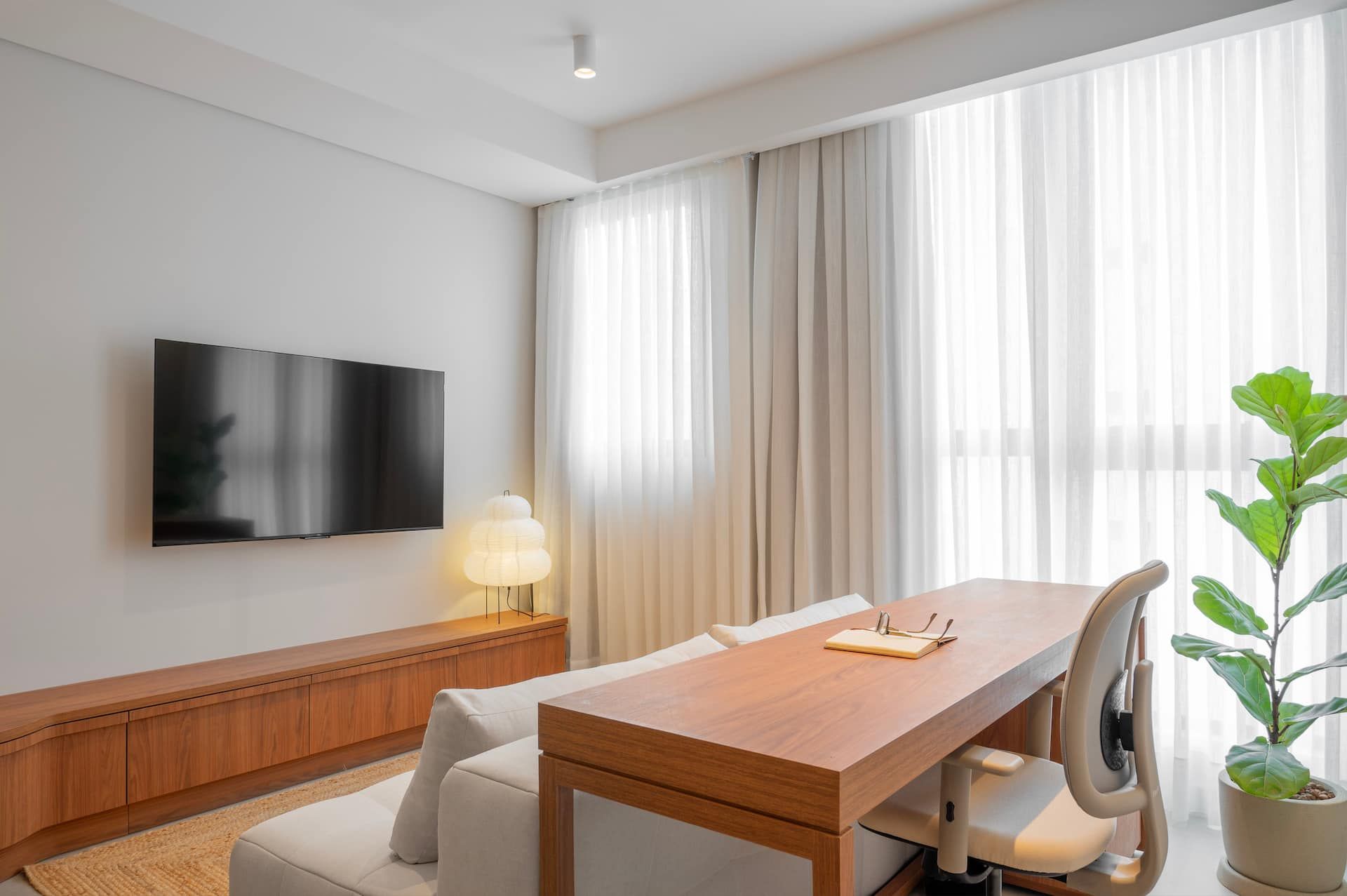
Where to Stay Near UFSC: A Guide to Accommodation in Trindade
Visiting UFSC for an exam, conference, enrollment or exchange? Here's why Trindade is the best neighborhood to stay in and what to look for.
Read guide →