Best Time to Visit Florianópolis: A Month-by-Month Guide
For most travelers, the best time to visit Florianópolis is March and April: the sea is still warm, the beaches and roads empty out after Carnival and prices drop. If you want summer at its peak, with parties and packed beaches, go from December to February. For hiking, food and low prices, winter (June to August) is great, as long as you aren’t counting on swimming in the sea.
Florianópolis has a humid subtropical climate, with four distinct seasons and rain spread throughout the year. That means there’s no “dry season”: any month can bring cloudy days, so it’s worth having a plan B.
Florianópolis weather month by month
Air temperatures are from INMET’s climate normals (1991–2020) (INMET is Brazil’s national weather institute), rounded. Sea temperature is an approximate average and varies from year to year.
| Month | Air (low/high) | Sea | Rain | Crowds | Prices | Highlights |
|---|---|---|---|---|---|---|
| January | 22 / 29 °C | ~25–26 °C | Heavy (rainiest month) | Very high | Very high | Peak summer |
| February | 22 / 30 °C | ~25–26 °C | High | Very high | Very high | Carnival (Feb. or Mar.) |
| March | 21 / 29 °C | ~25 °C | High | Medium, drops after Carnival | Medium | City’s anniversary (Mar. 23) |
| April | 19 / 27 °C | ~24 °C | Moderate | Low | Medium to low | Long holiday weekends fill up |
| May | 16 / 24 °C | ~22 °C* | Moderate | Low | Low | Mullet season begins; Ironman Brasil (May or June) |
| June | 14 / 22 °C | ~20 °C* | Lowest of the year | Low | Low | Mullet season |
| July | 13 / 21 °C | ~19 °C | Low | Low | Low | Coldest month; end of mullet season |
| August | 14 / 22 °C | ~18–19 °C | Low | Low | Low | Good for hiking |
| September | 15 / 22 °C | ~19 °C | Moderate to high | Low | Low | Fewest hours of sunshine |
| October | 18 / 24 °C | ~21 °C | Moderate to high | Medium | Medium | Spring |
| November | 19 / 26 °C | ~22 °C | Moderate to high | Medium | Medium | Pre-season |
| December | 21 / 28 °C | ~24 °C | High | High, surges at month’s end | High | New Year’s Eve (Réveillon) |
*Estimated from the neighboring months.
Summer (December to February): high season
This is when Florianópolis lives at beach pace. The sea is at its warmest of the year, around 25 °C, the days are long, and the island welcomes tourists from all over Brazil, Argentina, Uruguay and Chile.
Good for: warm water, nightlife, beach clubs and the party atmosphere of New Year’s Eve and Carnival.
Watch out for:
- Heavy traffic, especially on the roads to the north of the island, to Lagoa da Conceição and to the east-side beaches.
- Pricier accommodation, with long minimum stays over New Year’s Eve and Carnival. Book well in advance.
- Humid heat and afternoon showers. January is the rainiest month, with about 240 mm on average.
See how to make the most of the celebrations in our guide to New Year’s Eve and Carnival in Florianópolis.
Fall (March to May): the best balance
After Carnival, the island changes pace. In March and April the sea is still warm, between 24 and 25 °C, the sun is still strong and the beaches are much emptier. It’s many locals’ favorite time of year.
May is cooler, with highs around 24 °C and chilly nights. It marks the start of mullet (tainha) season, which runs from May to July: the beach seine nets are hauled out of the sea with locals pitching in, and the fish appears on menus.
Good for: uncrowded beaches, couples, and anyone with flexible dates who wants to pay less.
Watch out for: long holiday weekends, such as Holy Week (Easter), fill the city up again for a few days.
Winter (June to August): hiking, food and low prices
Winter in Florianópolis is mild by southern Brazil standards: average highs are between 21 and 22 °C and lows around 13 to 14 °C. But the humidity and the south wind can make it feel much colder, and there can be several days of rain in a row when a cold front comes through.
The sea drops to 18 or 19 °C in July and August, cold for most swimmers but good for surfing in a wetsuit.
Good for: hikes such as Lagoinha do Leste and Costa da Lagoa, all-you-can-eat oyster meals, the historic center, remote work and long stays at low prices.
Watch out for: some businesses in the beach neighborhoods, especially in the north of the island, run at a slower pace. The central neighborhoods, such as downtown (Centro) and Trindade, carry on as usual. See our guide to hiking trails in Florianópolis.
Spring (September to November): the island warms up
September and October are transition months, with mild days, more wind and the lowest average hours of sunshine of the year, according to INMET. In November the heat returns, the sea climbs above 22 °C and the city is still quiet before high season.
Good for: pleasant weather and mid-range prices. November is a good “early summer.”
The best time to visit for each kind of trip
| Trip type | Best time | Why |
|---|---|---|
| Beach with warm water | January to April | Water around 24 to 26 °C |
| Beach without the crowds | March, April and November | Pleasant sea and fewer people |
| Parties and nightlife | December to February | New Year’s Eve, Carnival and beach clubs |
| Hiking | April to September | Less heat and fewer heavy downpours |
| Food | Year-round; May to July for mullet | Oysters all year, mullet in season |
| Saving money | May to September | Low season |
| Remote work and long stays | March to November | Quiet city and bigger discounts |
Tips for any time of year
- Check the forecast and the wind: with a south wind, the northern beaches are usually calmer; with a northeast wind, the southern ones.
- Pack a jacket, even in summer. Nights can get cool, especially with a south wind.
- Avoid arriving and leaving on the peak days of New Year’s Eve and Carnival, when traffic to the airport and across the bridges is slowest.
- Have a plan for rainy days. See what to do in Florianópolis when it rains.
- Event dates change: festivals such as Fenaostra, the national oyster festival, and races such as the Ironman don’t have a fixed month. Check that year’s calendar before booking.
A base that works in any season
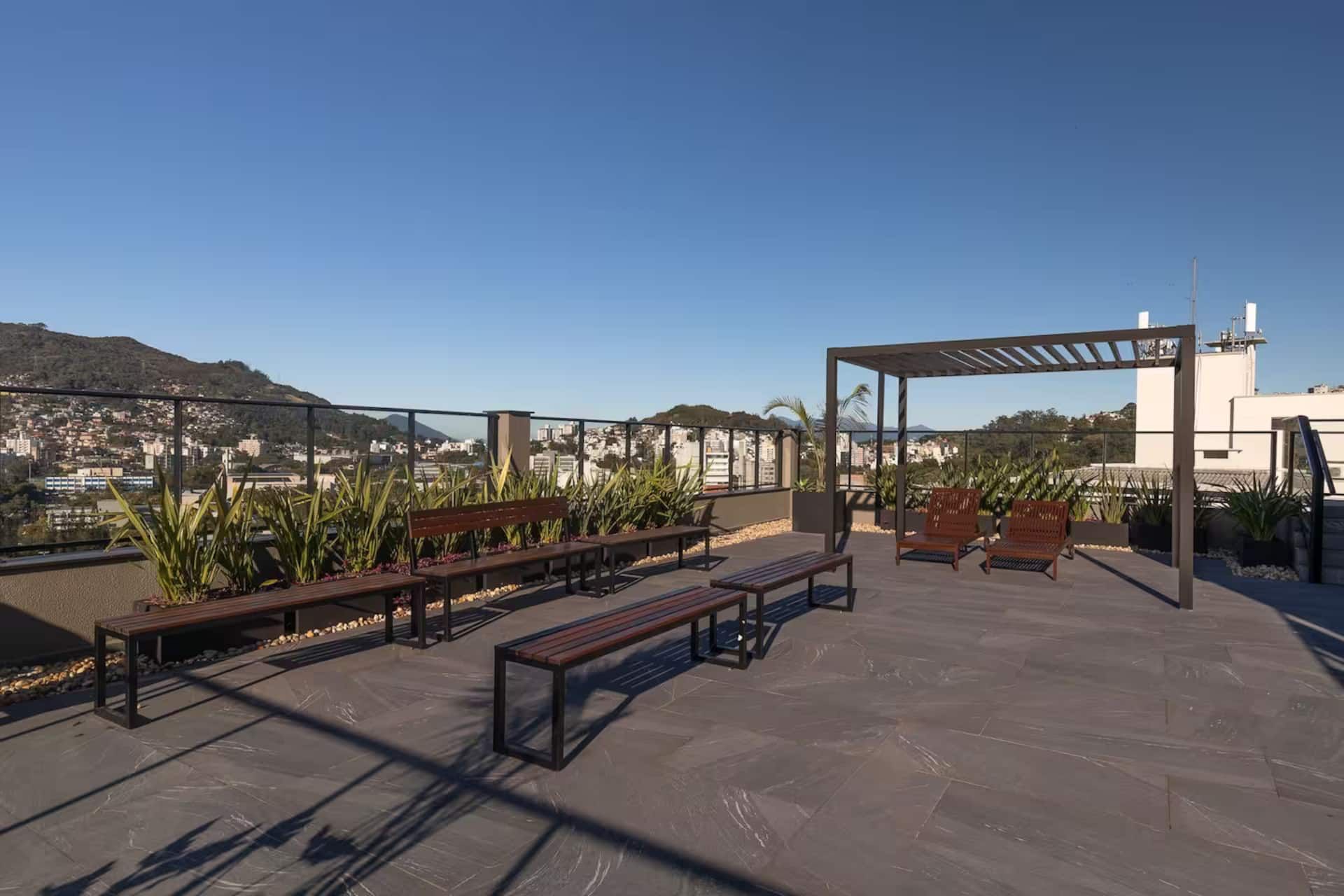
In summer, staying in the center of the island lets you pick the day’s beach without crossing all of Florianópolis; in winter, the neighborhood’s services keep running as usual. Floripa Studio Trindade is next to UFSC (Federal University of Santa Catarina), with air conditioning for summer, 800 Mbps Wi-Fi and a supermarket on the ground floor of the building. If you’re using the low season to stay longer, there’s a 10% weekly and 15% monthly discount. See also our guide to monthly rentals in Florianópolis.
Frequently asked questions
What is the best month to visit Florianópolis?
For most travelers, March and April are the best months: the sea is still warm, the heat is milder than at the peak of summer, and the beaches and roads are much quieter after Carnival.
What is the cheapest time to visit Florianópolis?
Low season, from May to September, usually has the cheapest accommodation, especially in winter. Outside long holiday weekends, it's easy to find discounts for stays of a week or more.
Is Florianópolis worth visiting in winter?
It is if you're after hiking, food, the historic center and a quiet city. Days usually reach highs of around 21 to 22 °C and the sea is too cold for most people, so it's not the time to spend the day in the water.
When is the sea warmest in Florianópolis?
From January to March, when the average water temperature is around 25 °C. In April it's still pleasant, and from July to September it drops to around 18 to 19 °C.
Does it rain a lot in Florianópolis?
It rains year-round, with no dry season. Summer gets the most rain, usually as afternoon showers, and September and October are the months with the fewest hours of sunshine. Always have a plan B for cloudy days.
When is mullet (tainha) season in Florianópolis?
Traditional mullet fishing runs from May to July. That's when you'll see the beach seine nets being hauled in and tainha appears on menus across the island.
More guides
Lagoa da Conceição Guide: Things to Do in Florianópolis
Lagoa da Conceição guide: getting there, the boat to Costa da Lagoa, dunes, Avenida das Rendeiras, the lookout, water sports and nightlife.
Read guide →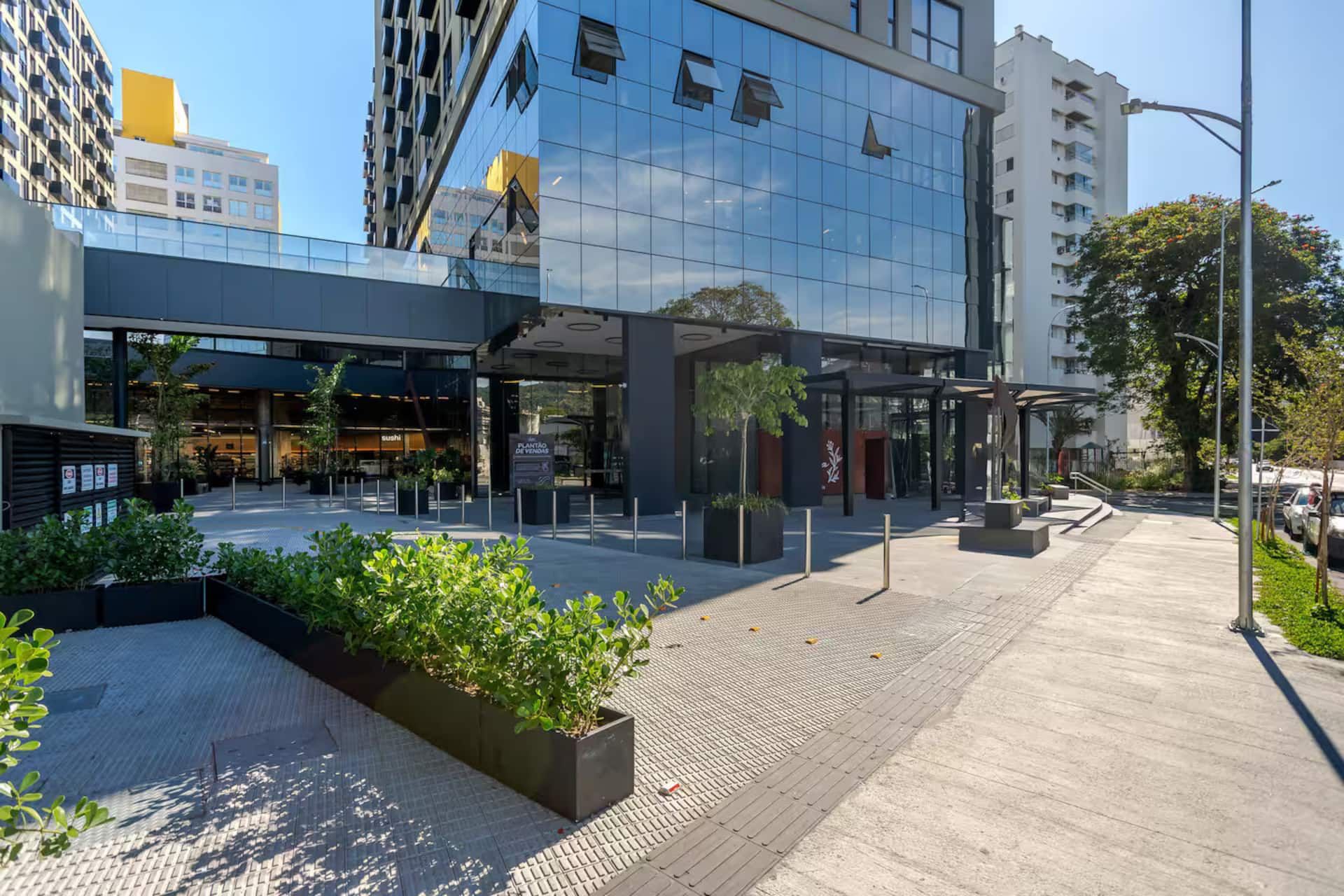
Is Florianópolis Safe? An Honest Guide for Travelers
Is Florianópolis safe? The data, ocean safety (rip currents), hiking, nightlife, common scams and emergency numbers 190, 192 and 193.
Read guide →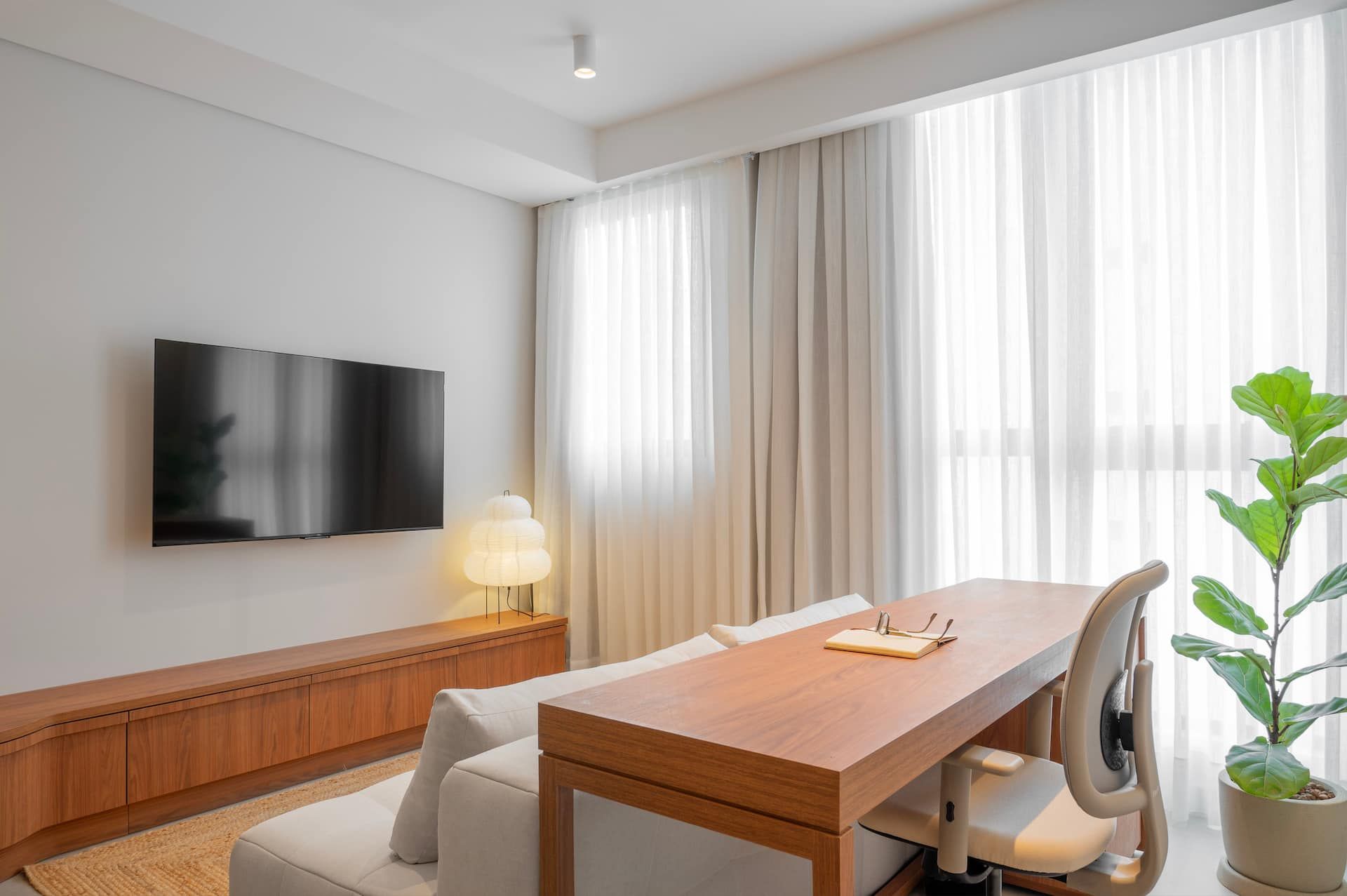
Where to Stay Near UFSC: A Guide to Accommodation in Trindade
Visiting UFSC for an exam, conference, enrollment or exchange? Here's why Trindade is the best neighborhood to stay in and what to look for.
Read guide →