Things to Do in Florianópolis: Beaches, Hikes, History and More
There are far more things to do in Florianópolis than just the beach. The essential itinerary includes the east-side beaches (Joaquina and Praia Mole), Lagoa da Conceição, the historic center with the Mercado Público and the Ponte Hercílio Luz bridge, an Azorean village such as Santo Antônio de Lisboa or Ribeirão da Ilha for oysters, and at least one hike or boat trip. With 4 to 5 days you can see the highlights; with a week, you can do it all at a relaxed pace.
Below are the best things to do in Florianópolis, grouped by type. Driving times are approximate, from Trindade in the center of the island, without traffic.
Beaches: which one to pick each day
Floripa has beaches for every taste, and the best choice changes with the day’s wind and sea conditions.
- Joaquina (~25 min): surfing and the dunes, where people go sandboarding.
- Praia Mole (~25 min): blue water, waves and a young crowd, surrounded by hills.
- Barra da Lagoa (~30 min): a fishing village; Prainha, with its calm water, is good for kids.
- Campeche (~30 min): a long white-sand beach, great for walking.
- Jurerê Internacional (~40 min): calm sea and beach clubs.
- Ingleses and Santinho (~45 min): big, family-friendly beaches.
For a more detailed comparison, see our guide to beaches near Trindade.
Nature and hiking
Lagoa da Conceição and the lookout
Lagoa da Conceição is one of the island’s postcard views. On the road that winds down the hill toward the lagoon there’s a lookout point with views of the lagoon and the dunes. Down below, the small center has restaurants and bars, and the lagoon is used for windsurfing, kitesurfing and stand-up paddleboarding.
Costa da Lagoa
A fishing village on the shore of Lagoa da Conceição with no car access: you can only get there by boat or on foot. Boats leave from the small center of Lagoa and make stops along the shore. Many people hike there and take the boat back. Costa da Lagoa has seafood restaurants and a small waterfall, which may have little water in dry spells.
Lagoinha do Leste
The most famous beach among Floripa hikers, tucked away between hills, with a small lagoon behind the sand. There are two routes: from Pântano do Sul, shorter and steeper, and from Matadeiro, longer and along the coast. It’s a demanding hike with climbs and rocks, and the one with the most rescues in the Greater Florianópolis area. Go early, with trail shoes, water and plenty of time to get back before dark.
Barra da Lagoa natural pools
A short walk along the rocky shore from Barra da Lagoa leads to natural pools among the rocks. Go when the sea is calm and stay off the wet rocks at the edge of the surf.
Ilha do Campeche
Nicknamed the “Caribbean of Santa Catarina” for its clear water, the island is protected by IPHAN (Brazil’s national heritage institute) as an archaeological and landscape heritage site and has prehistoric rock carvings along guided trails. Authorized boats leave from Campeche, Armação and Barra da Lagoa, and the number of visitors per day is limited. In summer, get to the boarding point early.
For more walking options, see our guide to hiking trails in Florianópolis.
History and culture
Historic center
Set aside a morning or afternoon for downtown:
- Mercado Público: the historic public market building is home to fish and seafood stalls, bars and restaurants. It’s the city’s most traditional meeting point.
- Praça XV de Novembro: the main square, with its century-old fig tree and, next to it, the Catedral Metropolitana (cathedral).
- Palácio Cruz e Sousa: the pink former seat of government, now home to the Museu Histórico de Santa Catarina (Santa Catarina History Museum). Check opening hours before you go.
- Ponte Hercílio Luz: opened in 1926, the bridge was closed for nearly 30 years and reopened in December 2019. Walking or cycling across it is one of the most beautiful things to do in the city, especially in the late afternoon.
- Beira-Mar Norte: a waterfront promenade along the bay, good for walking or cycling.
Azorean villages
Florianópolis was settled by immigrants from the Azores in the 18th century, and two villages preserve that past especially well:
- Santo Antônio de Lisboa (north): colonial houses, an old church, seafood restaurants and one of the best sunsets on the island, over the bay.
- Ribeirão da Ilha (south): a long village along the south bay, with a historic church and restaurants specializing in oysters.
Fortresses
The fortresses built in the 18th century to defend the island are managed by UFSC (Federal University of Santa Catarina). The Fortaleza de São José da Ponta Grossa, in the north, can be reached by car. The Fortaleza de Santa Cruz de Anhatomirim and the Fortaleza de Santo Antônio de Ratones are on islands and are visited by boat.
Food
- Oysters: Santa Catarina accounts for about 90% of Brazil’s farmed oyster production, and Florianópolis is the state’s largest producer. Try them raw, au gratin or steamed, ideally in Santo Antônio de Lisboa or Ribeirão da Ilha.
- Sequência de camarão: an all-you-can-eat run of shrimp dishes, common at restaurants in Lagoa da Conceição and Barra da Lagoa.
- Tainha (mullet): during the fishing season, from May to July, mullet shows up roasted, fried or stuffed at restaurants across the island.
- Mercado Público: for seafood snacks and a draft beer (chope) in the late afternoon.
More details in our guide on where to eat in Florianópolis.
Boat trips
- Boat to Costa da Lagoa: leaves from the small center of Lagoa da Conceição; it’s local transportation and a sightseeing trip in one.
- Schooner trip in the north of the island: tours leave from the Canasvieiras pier, usually stop at Anhatomirim to visit the fortress and pass by the São José da Ponta Grossa fort. The fortress entrance fee is usually charged separately.
- Ilha do Campeche: authorized boats from Campeche, Armação and Barra da Lagoa.
Suggested 5-day itinerary
| Day | Morning | Afternoon / evening |
|---|---|---|
| 1 | Historic center and Mercado Público | Ponte Hercílio Luz and Beira-Mar Norte |
| 2 | Joaquina (dunes) or Praia Mole | Lookout and dinner in Lagoa da Conceição |
| 3 | Costa da Lagoa trail | Boat back and sunset in Santo Antônio de Lisboa |
| 4 | Ilha do Campeche or Lagoinha do Leste | Rest; dinner in Ribeirão da Ilha |
| 5 | Schooner to Anhatomirim or a beach in the north | Barra da Lagoa and a sequência de camarão |
On a rainy day, swap the beach for museums, the Mercado Público and food. See what to do in Florianópolis when it rains.
Tips to make the most of your trip
- In summer, head out early. Before 9 am there’s less traffic and you can find parking.
- Check the wind: with a south wind, the northern beaches are usually calmer; with a northeast wind, the southern ones.
- Group your outings by area (north, east, south, downtown) so you don’t cross the island several times in one day.
- Only do long hikes in good weather, and always let someone know your route.
A base in the middle of the island
Since the sights are spread across the north, south, east and downtown, staying in the middle saves hours of traffic. Floripa Studio Trindade is next to UFSC, about 15 minutes from downtown and Lagoa da Conceição and about 25 minutes from Joaquina and Praia Mole, without traffic. After a day out, you come back to a studio with a full kitchen, 800 Mbps Wi-Fi, and a supermarket and food court on the ground floor of the building.
Frequently asked questions
How many days do you need in Florianópolis?
With 4 to 5 days you can see the essentials: the east-side beaches, Lagoa da Conceição, the historic center and an Azorean village. With a week, you'll have time for a long hike such as Lagoinha do Leste, Ilha do Campeche and a schooner trip in the north.
What is there to do in Florianópolis besides the beach?
Stroll around the historic center and the Mercado Público, walk across the Ponte Hercílio Luz bridge, eat oysters in Santo Antônio de Lisboa or Ribeirão da Ilha, visit the 18th-century fortresses, and hike trails such as the Costa da Lagoa trail.
Where can you eat oysters in Florianópolis?
The most traditional spots are Santo Antônio de Lisboa, in the north, and Ribeirão da Ilha, in the south: Azorean villages with seafood restaurants on the bay, close to the oyster farms.
What is the most beautiful hike in Florianópolis?
Lagoinha do Leste is the most famous, but it's also demanding, with steep climbs and rocks. For an easier hike, the Costa da Lagoa trail follows the shore of the lagoon and lets you return by boat.
Can you go sandboarding in Florianópolis?
Yes. The Joaquina dunes, on the east side of the island, are the best-known spot for sandboarding in Florianópolis.
More guides
Best Time to Visit Florianópolis: A Month-by-Month Guide
Weather, sea temperature, crowds, prices and events month by month: find the best time to visit Florianópolis for your kind of trip.
Read guide →Lagoa da Conceição Guide: Things to Do in Florianópolis
Lagoa da Conceição guide: getting there, the boat to Costa da Lagoa, dunes, Avenida das Rendeiras, the lookout, water sports and nightlife.
Read guide →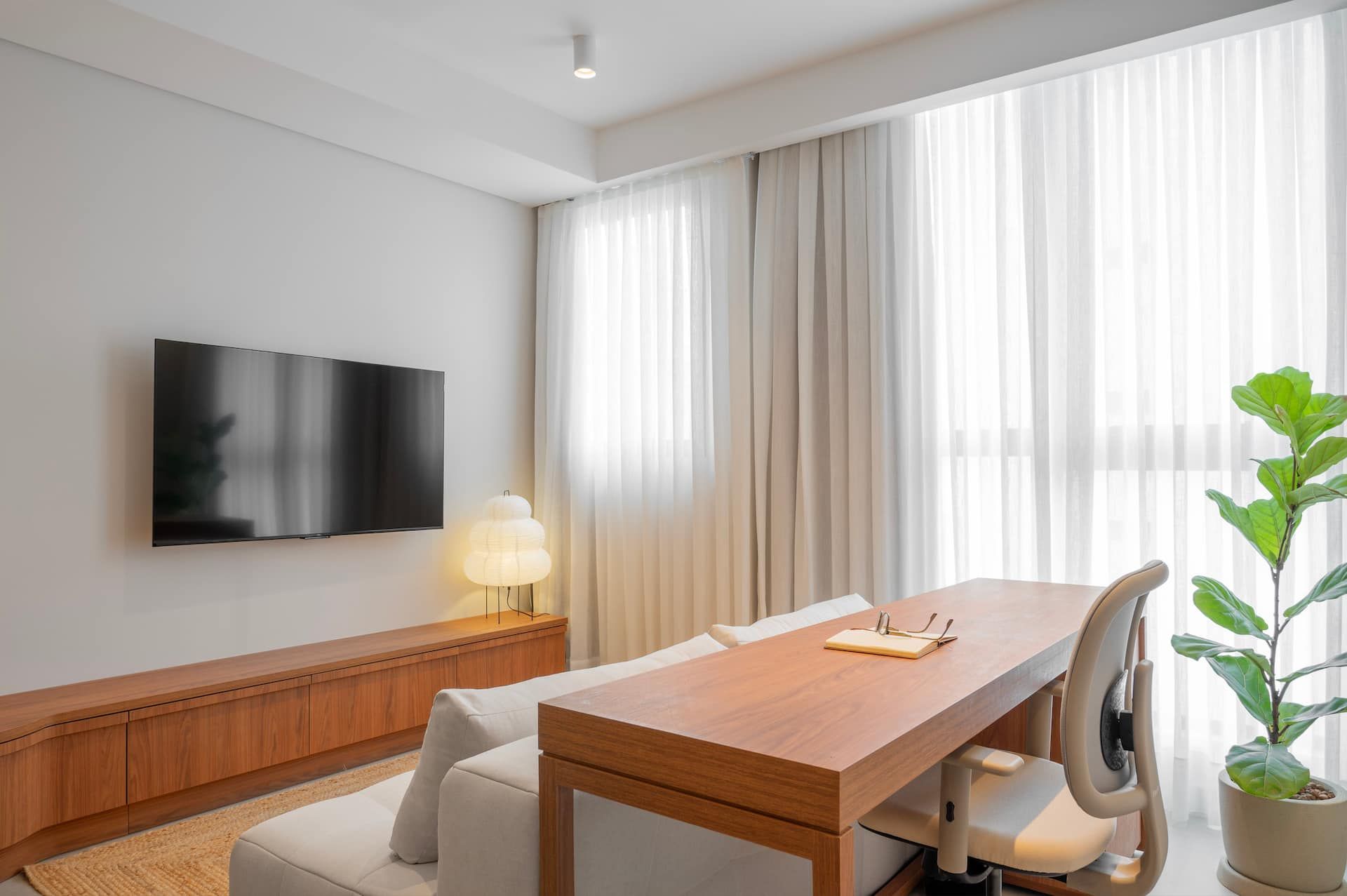
Where to Stay Near UFSC: A Guide to Accommodation in Trindade
Visiting UFSC for an exam, conference, enrollment or exchange? Here's why Trindade is the best neighborhood to stay in and what to look for.
Read guide →